


About Nialabs
Nialabs is a leading biometric attendance system provider in India, offering AI-powered face and fingerprint recognition devices for schools, colleges, MSMEs, enterprises, and government organizations. Founded in 2021, we’ve built a nationwide presence by simplifying attendance management and workforce tracking for the education and business sectors.
Our cloud-based biometric solutions and API integrations help automate attendance tracking, payroll management, and access control —making operations more accurate, secure, and efficient across industries.
Punches handled every day
Satisfied Clients
Years of dedicated service
Biometrics Sold and Installed
Biometrics Installed in School Buses
Trusted Partners
Why Traditional Attendance Systems
No Longer Work
From schools to offices, manual or outdated attendance-tracking systems lead to inefficiency, data errors, and security risks. Here’s what organizations face without a biometric system.
Challenges Faced
Manual Attendance Errors
Teachers spend valuable time marking attendance manually.
Proxy & Manipulated Attendance
Students can easily mark proxies for friends without detection.
No Real-Time Visibility
Parents have no instant updates on their child's presence.
Time-Consuming Administration
Non-automated attendance consumes hours of administrative time.
Chaotic Report Generation
Compiling attendance data manually is inaccurate and hectic.
Nialabs Smart Solutions
Automated Biometrics
Records attendance instantly and accurately—no manual entry, no errors.
AI-Based Face Recognition
Detects live faces, preventing photo-based or proxy attendance.
Instant Parent Notifications
Parents receive automatic SMS or app alerts immediately.
Cloud-Based Automation
Attendance data is automatically synced to the school ERP.
Smart Analytics
Generate daily, weekly, or monthly reports with one click.
AI-Powered Solutions Designed
for Your Industry
Education
Schools, colleges, and other educational institutions.
Corporate and IT
Businesses of all sizes, as well as corporate offices.
Manufacturing
Factories and production units can use these systems.
Government
Government offices, both central and state.
Retail
Retail stores can use biometric systems to manage staff.
Healthcare
Hospitals and clinics can implement biometric systems.
Finance and Banking
Banks can use biometric authentication.
Visitor Management
These systems can screen and record visitor information.
Canteen Management
Systems can manage employee meal scans.
Gyms and Clubs
Fitness centers can manage member check-ins.
Hospitality
Hotels and restaurants can use these systems for staff.
Logistics and Transportation
Ensure drivers and crew stay on schedule.
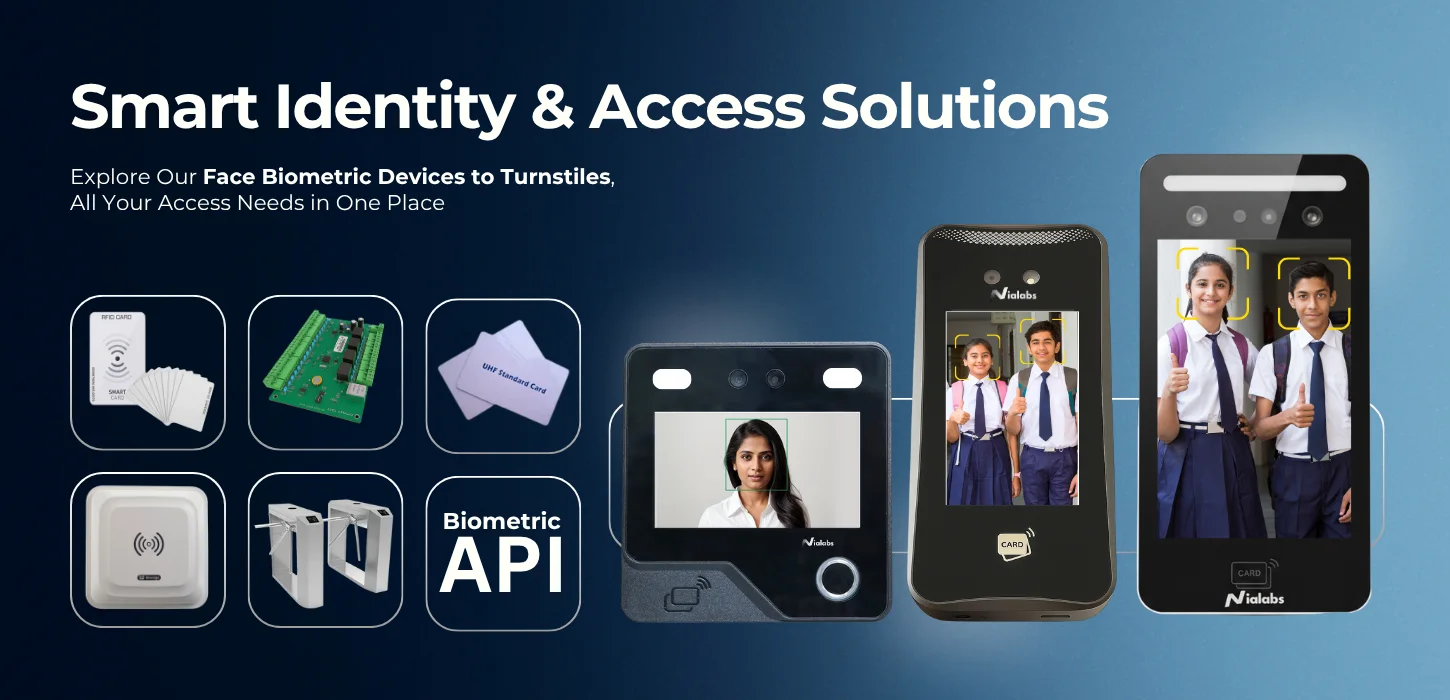
Get the Best of Biometric Devices
with Nialabs
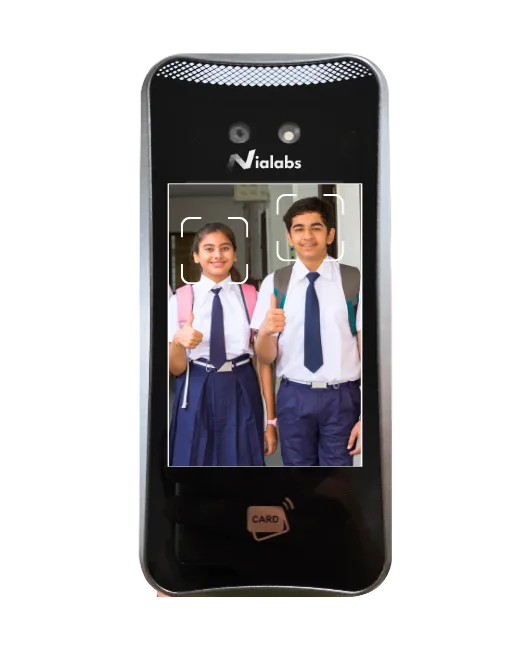
Smart Bus Attendance System with AI Face Recognition & GPS
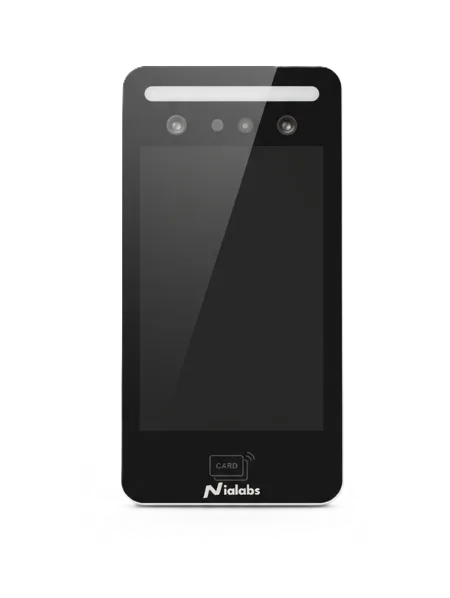
Dynamic Face Recognition Terminal
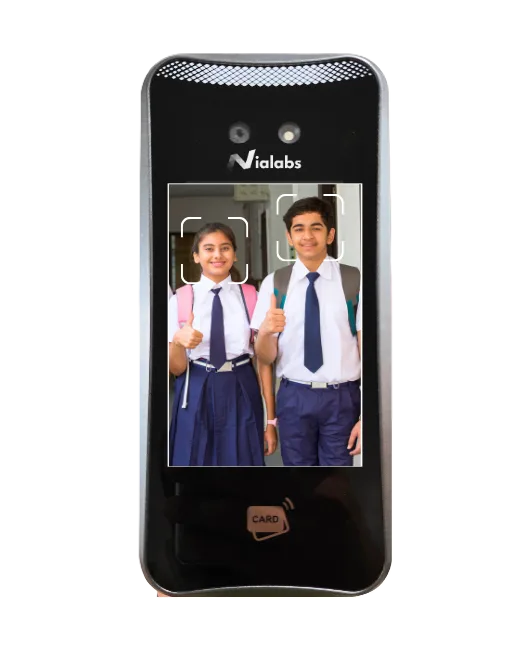
Dynamic Face Recognition Terminal with 4G Sim
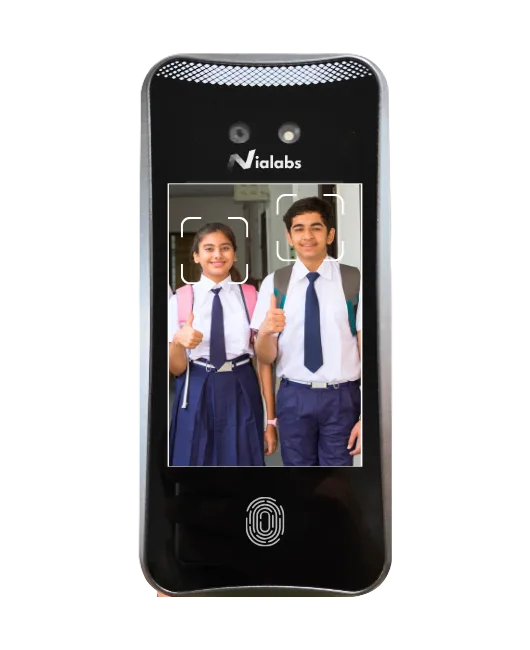
Face, Fingerprint Time Attendance and Access Control System
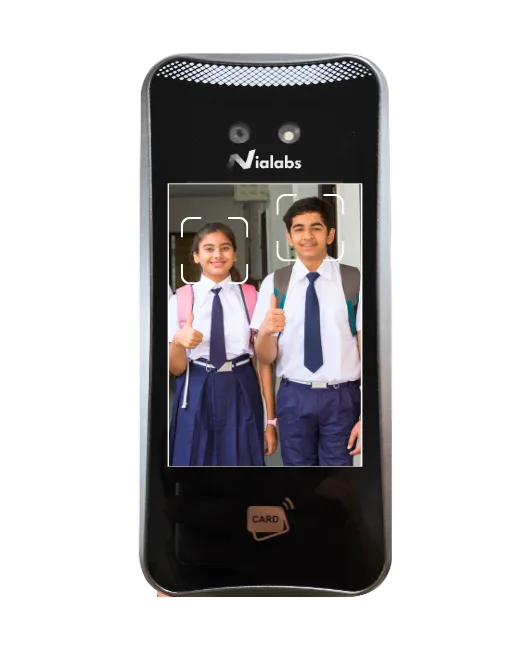
Face Time Attendance & Access Control Reader
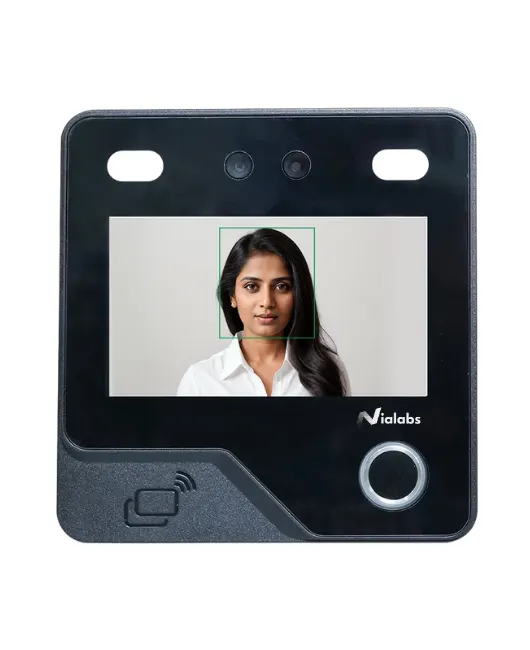
Face Recognition Time Attendance & Access Control System
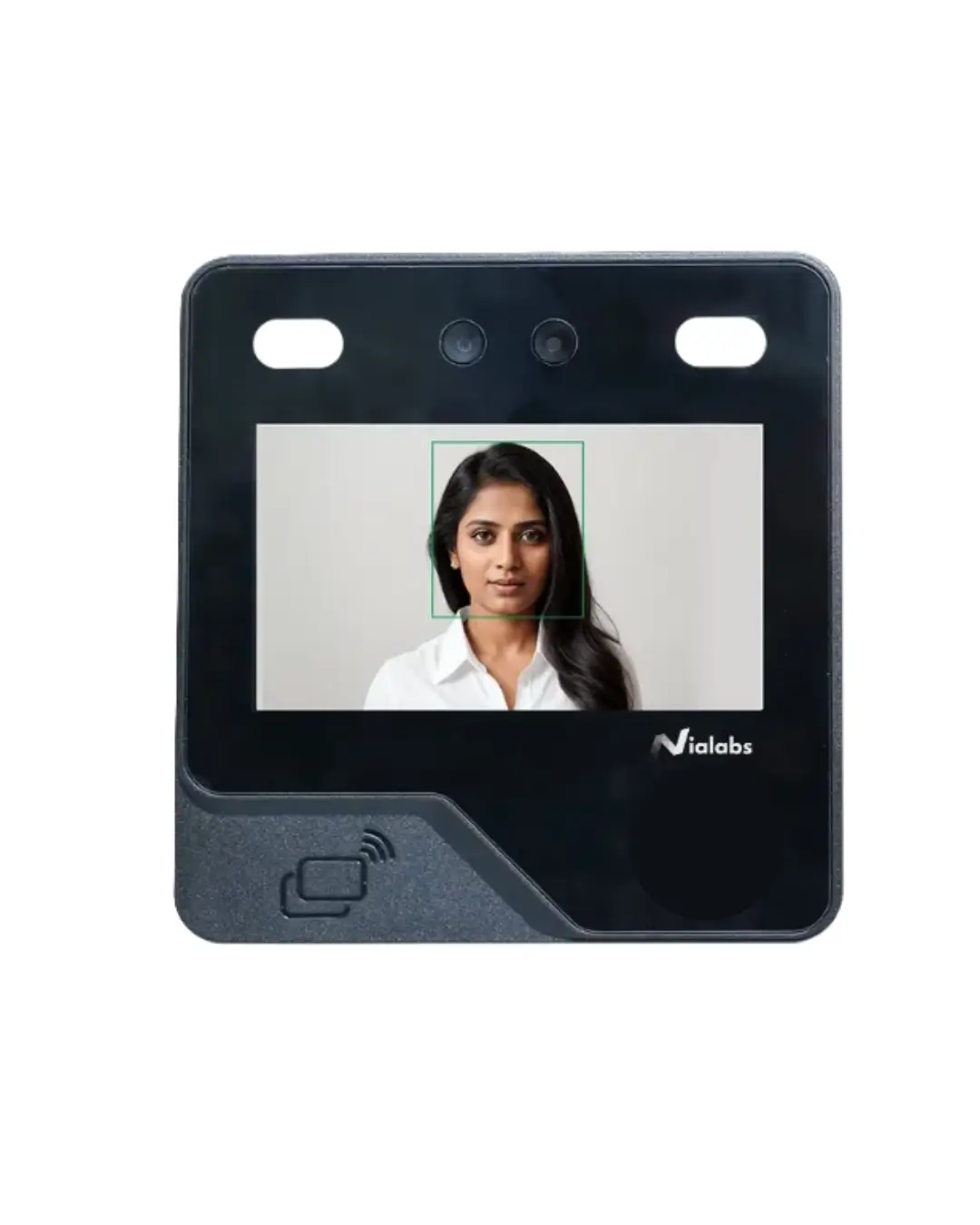
Face Recognition Biometric Terminal
Smart Bus Attendance System with AI Face Recognition & GPS
Dynamic Face Recognition Terminal
Dynamic Face Recognition Terminal with 4G Sim
Face, Fingerprint Time Attendance and Access Control System
Face Time Attendance & Access Control Reader
Face Recognition Time Attendance & Access Control System
Face Recognition Biometric Terminal
Smart Bus Attendance System with AI Face Recognition & GPS
Dynamic Face Recognition Terminal
Dynamic Face Recognition Terminal with 4G Sim
Face, Fingerprint Time Attendance and Access Control System
Face Time Attendance & Access Control Reader
Face Recognition Time Attendance & Access Control System
Face Recognition Biometric Terminal
Why Nialabs?
AI-Powered Precision & Security
Experience unmatched accuracy and reliability with advanced AI-based facial and fingerprint recognition. Eliminate proxy attendance and unauthorized access while ensuring complete data security.
Seamless Cloud & API Integration
Connect your biometric devices effortlessly with School ERP, HRMS, or Payroll systems through our powerful cloud and API integration, enabling real-time data sync and centralized control.
Advanced Data Analytics & Insights
Gain actionable insights with real-time analytics dashboards. Track attendance trends, punctuality, absenteeism, and productivity metrics, all from a single interface.
Scalability & Flexibility
Whether it’s one campus or multiple offices across cities, Nialabs’ cloud-powered platform grows with your organization, ensuring smooth scalability and flexibility.
Integrated Access Control Systems
Secure your premises with role-based access permissions and live monitoring. Manage entry points efficiently using AI-enabled facial or fingerprint authentication.
Dedicated Support & After-Sales Service
From installation to maintenance, our expert support team ensures seamless performance, timely updates, and reliable customer service.

We are Nationally Recognized
for Digital Transformation
Trusted by Top-Tier Institutions and Industry Leaders










What Our Clients Say
Common Customer Questions
Upgrade to a smarter biometric attendance solution today.
Whether you’re managing a school or running a business, Nialabs has the right technology for you.
Call Us Now
+91 80694 09217
Email Support
support@nialabs.in
Message Sent!
Thank you for your interest. Our executive will contact you shortly.
Transform the Way You Manage Attendance & Security
Experience Nialabs' proven technology powering 1M+ punches daily.
